Roster Shakeups, Clearance Racks: How to Profit From a Number Change Without Buying a Relic
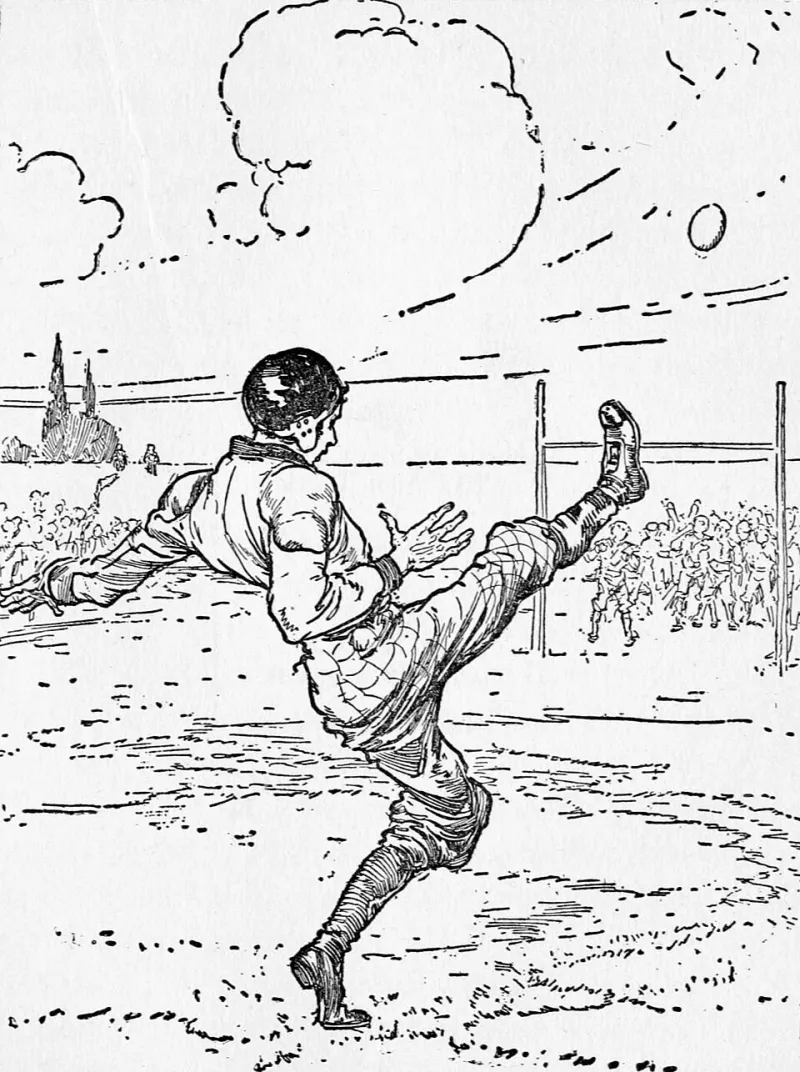
Photo: Internet Archive Book Images, No restrictions, via Wikimedia Commons
Nothing moves a jersey to the clearance rack faster than a roster change. A star gets traded. A rookie switches numbers. A veteran gets cut in August. Suddenly the pro shop has a wall of yesterday's jerseys at 40, 50, even 70 percent off. For budget-conscious fans, that is not a sad story. That is an opportunity — if you know which obsolete jerseys are worth buying and which ones will look like a mistake by Week 4.
The trick is separating a jersey that is outdated from a jersey that is embarrassing. A number change can create a genuine bargain. A bitter breakup can create a jersey that nobody wants to wear, even at $19.99. Here is the playbook.
Why the Markdown Happens
Teams and retailers do not want to sit on inventory that no longer matches the current roster. When a player changes numbers, the old number is technically obsolete. When a player is traded, the old team's jersey becomes a former-player jersey. When a depth chart shifts, the backup's jersey loses its 'maybe he is the future' shine. Retailers respond with markdowns, often within weeks. The discount is real. The question is whether the jersey is.
The Three Roster Moves That Create Real Value
Not every roster move is a buying signal. These are the ones that tend to produce smart clearance buys.
1. A beloved player changes numbers
If a fan favorite switches from No. 12 to No. 7, the No. 12 jersey is obsolete on the field but not in the hearts of fans. If you care about the player more than the number, this is a strong buy. The jersey still represents a current player, the discount is usually steep, and you are not walking around in a jersey of someone who left town. Just check that the old number is not being handed to a rookie who becomes the next face of the franchise. If it is, the joke writes itself.
2. A star is traded out of conference
When a star goes to the other conference, the old jersey becomes a nostalgia piece rather than a weekly reminder of a rival. That is usually a safe buy if the player left on good terms. If the player was traded after demanding out, booed on return, or sent to a division rival, the clearance rack is a trap. You will save $40 and spend every Sunday explaining why you are wearing that name.
3. A veteran is cut after a long run
This is the sweet spot. A longtime contributor gets released, retires, or signs elsewhere. His jersey gets marked down. Fans still remember the good years. The jersey is a tribute, not a prediction. If the price is right and the size fits, this is the kind of clearance buy that looks smart for years.
When the Markdown Is a Trap
An obsolete jersey is a bad buy when the story is bad. A player who forced his way out, a number already reassigned to a new star, a jersey from a uniform era the team has completely abandoned — those are instant relics. They sit in the closet because wearing them starts conversations you do not want to have. A $19.99 jersey is not a bargain if you never wear it.
Also watch for double-obsolete jerseys. If the player changed teams and the team changed its uniform design, the jersey is two eras behind. That can be a cool throwback if you are into that. It can also look like you bought it at a garage sale in 2019. Know which one you are getting.
Timing the Clearance: When to Wait, When to Grab
The first markdown is rarely the best one. When a trade happens, retailers often drop the price by 20 or 30 percent. That is not a clearance. That is a test. Wait a few weeks. If the jersey is still sitting there, the next markdown is usually deeper. End of season, holiday sales, and the weeks after the draft are prime clearance windows. The risk is size. Popular sizes disappear first. If you wear a medium or large, do not wait forever. If you wear an XL or XXL, you can often afford to be patient.
A good rule: buy at 50 percent off or better if the player is still popular. Buy at 60 to 70 percent off if the player is a legend. Do not buy at 30 percent off just because the jersey is 'rare.' It is not rare. It is unwanted.
The Smart Obsolete-Jersey Checklist
Before you buy, run this list.
- Is the player still liked by the fan base? If yes, the jersey has social value. If no, keep walking.
- Has the number been reassigned to a current star? If yes, the old jersey can look like a mistake.
- Is the uniform design still current? A current design with an old name is a cleaner look than an old design with an old name.
- Does it fit? Clearance jerseys are often final sale. Measure, do not guess.
- Is the price actually good? Compare to a current replica on sale, not to full retail.
- Can you return it? If not, be extra sure about size and condition.
- Is the nameplate stitched or printed? Stitched holds up better and looks more expensive.
- Would you wear it to a game this season? If the answer is no, it is not a deal.
Styling the Obsolete Jersey Without Looking Stuck in Time
A discounted jersey can still look current. Pair it with modern streetwear instead of full team gear. A jersey over a hoodie, with jeans and sneakers, reads as style. A jersey with matching team pants, team hat, and team socks reads as a costume. If the jersey is from an older uniform era, lean into the throwback look on purpose. If it is just a former player's jersey, keep the rest of the outfit simple. The jersey is the statement. Do not make the rest of the outfit argue with it.
Bottom Line
Roster changes are a clearance goldmine for fans who pay attention. The best buys are current-player number changes, beloved veterans, and traded stars who left on good terms. The worst buys are bitter breakups, reassigned numbers, and double-obsolete designs. Wait for the second or third markdown, check the size chart, and ask yourself one question: would I wear this if it were not on sale? If the answer is yes, the clearance rack just did you a favor. If the answer is no, you are about to buy a relic.